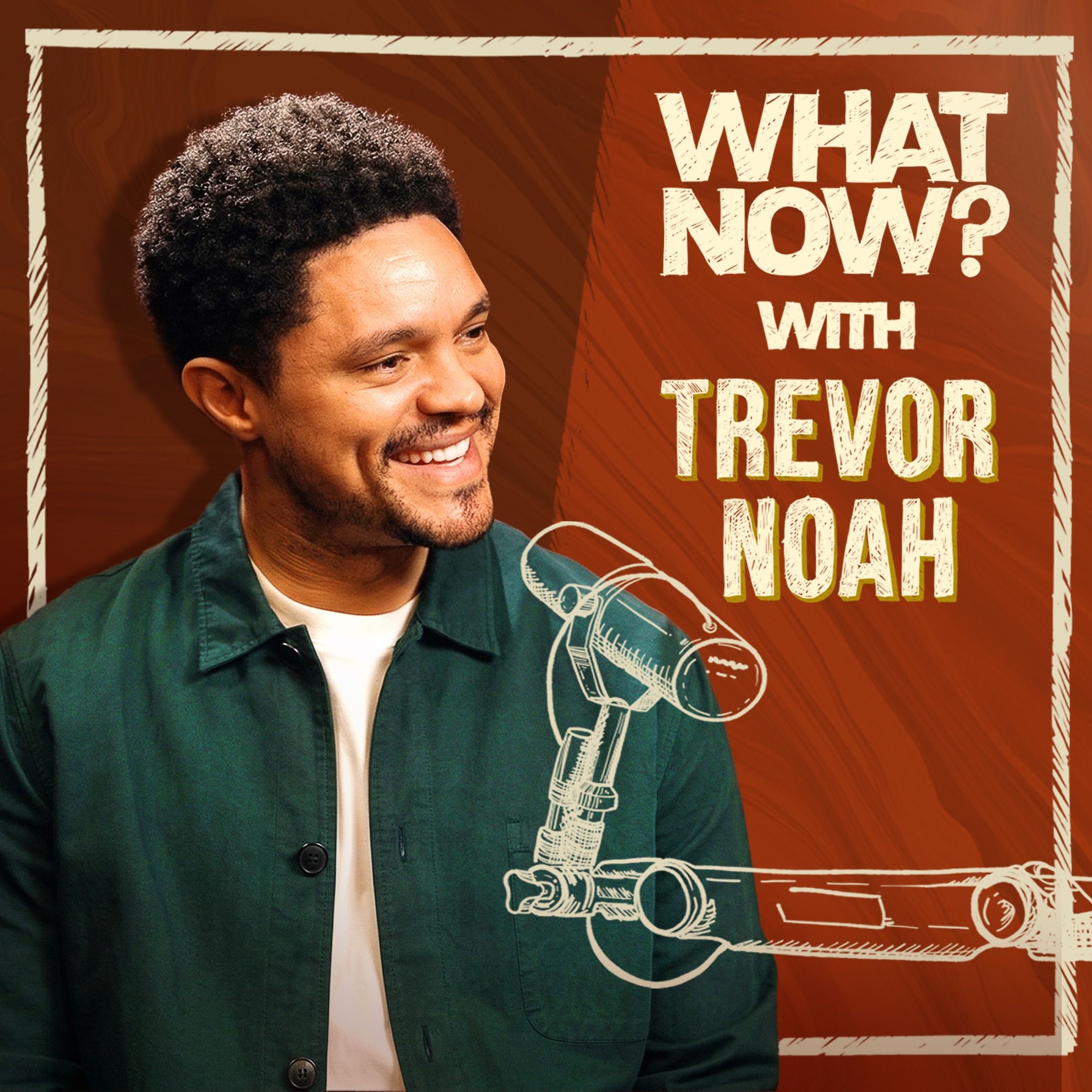
Rachel Yehuda: The Biology of What We Carry
Summary
Trevor Noah interviews Dr. Rachel Yehuda to explore the biological and social complexities of trauma, challenging the simplified view of PTSD. They discuss how trauma affects cortisol levels, the role of community in healing, and the concept of intergenerational trauma, referencing Yehuda’s research on 9/11 survivors. The conversation highlights that trauma is not just psychological but deeply biological, requiring societal support for recovery.
Topics discussed
Introduction: The biology of trauma and fear response
Sponsors: Two truths and a lie, Verizon, and Epkinly
Defining trauma: PTSD as a disorder vs. normal response
Trauma as biology: The body's fear response and memory
Intergenerational trauma: Holocaust survivors and their children
Community trauma: Bearing the emotional load together
The role of cortisol in the stress response
Low cortisol in PTSD: Adaptation and recalibration
Sponsors: Apple Card, Whole Foods, and Epkinly
Modern trauma: Desensitization and commercialized violence
Epigenetics: How trauma marks genes in offspring
Animal studies: Inherited fear and epigenetic mechanisms
Sponsors: Epkinly, Geico, and Zillow
Interventions: Hydrocortisone and acute trauma care
Psychedelic therapy: MDMA, psilocybin, and healing
Conclusion: Empathy, resilience, and the future of trauma care
Outro and sponsor: Opportunity at Work
Listen ad-free on Castria