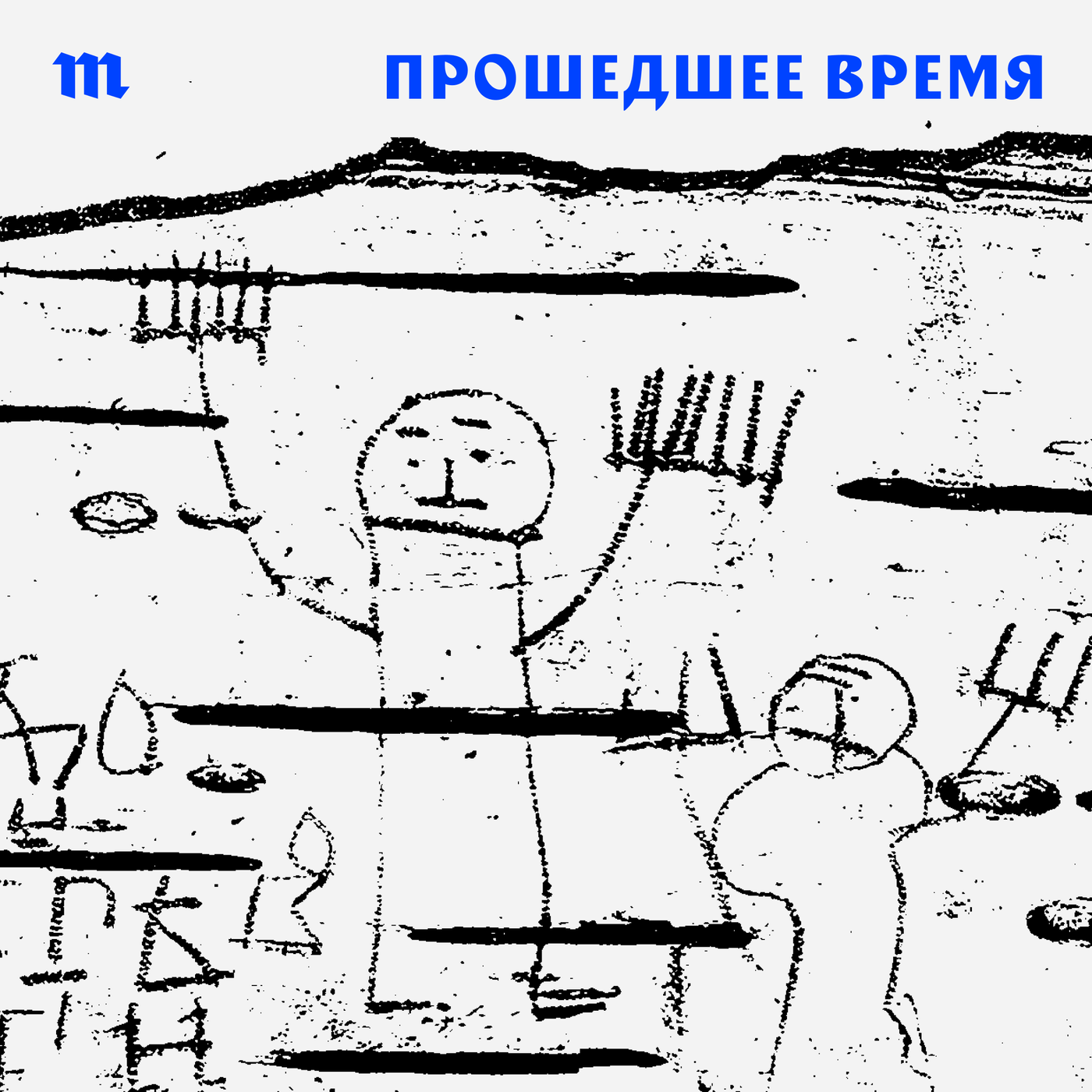
Почему многие (очень многие) западные путешественники пятьсот лет назад ругали Россию? Не было ли в этом русофобии? И зачем нам сейчас читать их записки?
Summary
В подкасте «Прошедшее время» Сергей Фокин, Дмитрий Карцев и историк Глеб Казаков обсуждают восприятие России западноевропейцами в XVI–XVIII веках. Разбирая записки путешественников и дипломатов, они опровергают тезис о систематическом очернении Руси, объясняя негативные оценки культурным барьером и взаимным непониманием. Эксперты анализируют ключевые источники, такие как труды Герберштейна и Элиария, а также уникальные дневники русских гонцов.
Topics discussed
Introduction: The psychology of European accusations
Cultural stereotypes and the 'special path' of Russia
Vladimir Medinsky's controversial dissertation
Setting the stage: Skeptic vs. Believer perspectives
Defining the scope: Western European travelers
Analyzing the divergence in historical narratives
Types of sources: Travelers, diplomats, and mercenaries
Terminology: 'Zapiski' and 'Rossica'
Sigmund von Herberstein and early accounts
The Holstein embassy to Tsar Mikhail
Andrew Shevchenko: A Scottish general in Russia
Key texts: Herberstein and other essential reads
The value of foreign accounts vs. local sources
Ethnographic observations on Russian daily life
Diplomatic records and court politics
Unrecorded court intrigues and power shifts
The 'foreignness' of the past for modern readers
Can 16th-century Germans understand 16th-century Russians?
Religious rituals and church attendance statistics
Perception of Russia as 'wild northern lands'
The diversity of European cultures and perspectives
Shared Christian heritage and the Reformation
Mutual suspicion between Orthodox and Western Christians
The requirement of 're-conversion' for foreigners
Comparing Russia to the Ottoman Empire
The prevalence of negative views in foreign accounts
Debunking the 'political order' conspiracy theory
Plagiarism and the longevity of negative narratives
Low expertise and cultural bias in early accounts
Subjectivity and the use of one's own culture as a benchmark
18th-century tables of national character traits
The spectrum of European perceptions in the 18th century
The binary fallacy: Truth vs. Malicious Lie
The necessity of critical source analysis
Author background and purpose influence the narrative
Newspaper publications vs. travel books: A comparison
Historical context: The rise of Muscovy in the 15th century
The title of Tsar and claims to imperial status
The Livonian War and European coalition dynamics
The 'Eastern Threat' narrative in 16th-century Europe
Sweden's role and the complexity of Western alliances
Russia's attempt to join anti-Ottoman alliances
Juraj Križanić: A positive Jesuit perspective
Križanić's criticism of German accounts
Križanić's exile and death at Vienna
Complaints about European roads and infrastructure
Did Russians publish accounts of Europe?
Peter I and the Europeanization of the Russian elite
Lack of private publishing in 17th-century Russia
Bureaucratic 'Stati' lists vs. travelogues
The dry, factual nature of Russian diplomatic reports
Absence of personal opinions in early Russian records
The German Quarter (Nemetskaya Sloboda) in Moscow
Language barriers and the insult 'Shish na kuk'
Russian servants working for foreign masters
Cultural differences vs. conspiracy theories
Rejection of the 'collective West' conspiracy
The Enlightenment and the exoticization of Eastern Europe
Russia's integration into the Western paradigm
Eurocentrism in historical narratives
Conclusion: The importance of European opinion
Outro and podcast credits
More from Прошедшее время
Екатерина II — великая или не очень? В финале сезона разбираемся, за что все любят императрицу, которая завоевала Крым, поделила Польшу и окончательно лишила крестьян свободы
Кажется, что история России — это бесконечные войны и сражения. Все ли они были такими важными? Обсуждаем на примере Ледового побоища, Бородина и Нарвы